


If your prints are stringy, brittle, or warped, it’s probably not (just) your slicer—it’s your filament. In 2025, Indian makers can choose from excellent local brands alongside renowned global names, all with India-friendly availability. This guide highlights the best options, where to buy them, and what each brand is known for—so you can pick the right spool the first time.
TL;DR: Start with a reliable PLA/PLA+ for most projects, try PETG for stronger parts, and step up to ASA/ABS for heat/outdoor use. Buy from trusted Indian stores to avoid fakes and long shipping times.
1) Tinker X
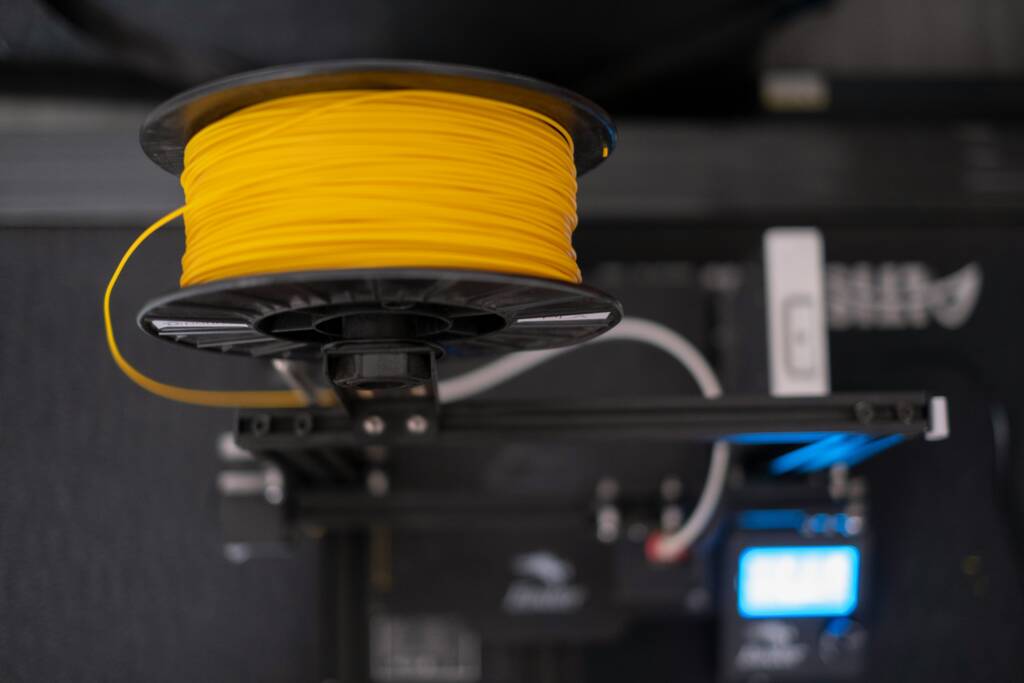
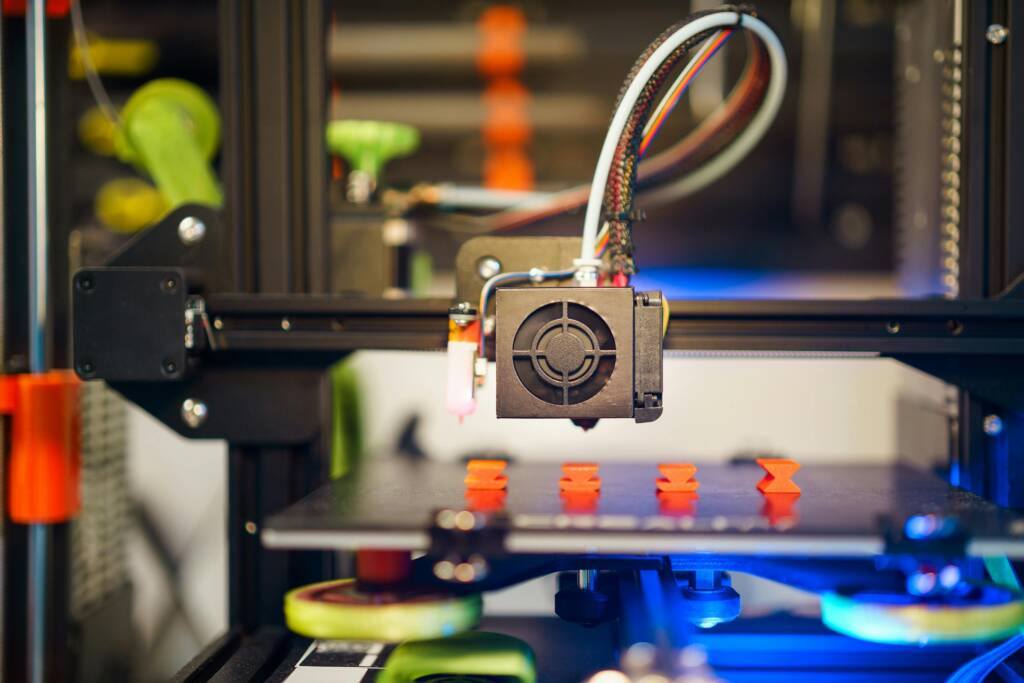
Your one-stop entry point to India-available filaments, with curated picks and responsive support. Options from PLA/PLA+ to PETG and more. High quality & great price-to-performance. Ideal if you value a maker-centric buying experience and want to avoid dud spools.
Visit: tinkerx.in
2) WOL3D
Great price-to-performance for daily printing. Wide options from PLA/PLA+ to PETG and more.
Visit: wol3d.com
3) Numakers
Popular PLA+ and well-regarded PETG/ASA; consistent spooling and beginner-friendly printability.
Visit: numakers.com http://numakers.com
4) FibReel
Broad, affordable lineup (PLA, PETG, ABS/ASA, and specialty finishes). Solid for experimentation on a budget.
Visit: fibreel.com
5) eSUN
Huge color/material range with reliable profiles and documentation, great for projects that need a specific look/feel.
Visit: esun3d.com
Bonus: Where to buy multibrand filaments in India
Robu.in
3Idea
3D Bazaar
Tip: Stick to official sites and well-known Indian retailers to avoid counterfeit listings and stale stock.
What filament should you buy first?
- PLA / PLA+ → The easiest filament for beginners. Prints at relatively low temperatures, produces minimal warping, and works well for prototypes, models, cosplay props, and most indoor functional parts.
- PETG → A stronger, more temperature-resistant option than PLA. Great for clips, fixtures, mechanical parts, and items that need some UV and moisture resistance.
- ASA / ABS → Designed for heat resistance and outdoor use. Suitable for automotive parts, enclosures, and weather-exposed components. Requires an enclosed printer or controlled environment to reduce warping and odor.
- TPU / Flexible Filaments → Useful for parts that need flexibility and impact resistance, such as gaskets, grips, and wearables. Can be more challenging to print due to slower speeds and feeding requirements.
Tip: Start with PLA/PLA+ to learn your printer’s settings, then branch into PETG or ASA/ABS once you’re confident with temperature tuning and bed adhesion.
FAQs about Choosing 3D Printer Filament
1. How do I know which filament is compatible with my printer?
Check your printer’s maximum nozzle temperature, heated bed capability, and whether it’s enclosed. Match these specs with the filament’s printing requirements.
2. What diameter filament should I buy?
Most consumer 3D printers use 1.75 mm filament, but some use 2.85 mm or 3 mm. Always confirm your printer’s spec before buying.
3. How should I store filament to keep it from going bad?
Moisture is filament’s enemy—store spools in airtight containers or bags with silica gel packs. Even short exposure to humidity can cause poor print quality.
4. Why does my filament snap or become brittle over time?
This usually happens due to moisture absorption or UV exposure. Dry the filament in a filament dryer or low-heat oven before printing.
5. Can I mix different filament materials in one print?
Yes, but you need a dual-extruder printer or multi-material unit, and you should ensure both materials have similar printing temperature ranges and compatible adhesion.
Final thoughts
You can’t out-tune inconsistent filament. Pick a reputable brand, buy from trusted Indian stores, and keep it dry. If you’re unsure where to start, browse Tinker X’s curated catalogue for dependable filaments for your 3D printing.
